 CostBeaver
Cedar Shingle and Shake Roofs: What They Cost, and the Honest Southern Trade-Off
Cedar shingles and cedar shakes are not the same product. Shingles are sawn on both sides for a smooth, uniform look; shakes are split, at least on the face, for a thicker, rougher, more rustic texture — and shakes cost more. Installed, expect $9–$16 per square foot for cedar shingles and $12–$20 per square foot for hand-split shakes in 2026, roughly two to three times an architectural asphalt roof. In Georgia and the Carolinas, the honest trade-off is maintenance: our humidity, pollen, and shade encourage algae, moss, and rot far faster than a drier Northern or mountain climate, so a cedar roof here needs real upkeep to hit its 25–30 year potential lifespan.
The short version
- Shingles are sawn, shakes are split — shakes look rougher, thicker, and more expensive: $9–$16/sq ft for shingles vs $12–$20/sq ft installed for shakes in 2026.
- Humidity is the real cost of cedar down here. Budget for a cleaning and re-treatment roughly every 2–4 years, not the decade-plus gap that works in a drier climate.
- Fire code matters. Untreated cedar is a Class C (or unrated) roof in most jurisdictions; Class A fire-retardant-treated cedar exists but costs more and needs re-treatment as the coating wears.
- Our honest opinion: cedar is a design choice, not a value choice. It earns its keep on mountain cabins, historic homes, and high-visibility rooflines — not on a standard suburban re-roof where a $500–$700/square architectural shingle does 90% of the job for a third of the cost.
Shingles vs. shakes: the difference that actually matters
People say "cedar shingles" and "cedar shakes" like they're interchangeable. They're not, and the difference shows up in both the look and the price.
Shingles are sawn on both faces at the mill, so every piece is a uniform thickness with clean, tight lines. From the ground, a cedar shingle roof reads as neat and refined — closer to a traditional New England look.
Shakes are split, either entirely by hand or with a machine that mimics the hand-split look, leaving one or both faces rough and irregular. They're thicker, throw deeper shadow lines, and read as more rustic — the mountain-cabin look people picture when they hear "cedar roof." That extra thickness and hand-labor also make shakes the pricier of the two.
Both come from Western Red Cedar or, less commonly, Eastern White Cedar, and both are graded — a No. 1 "blue label" is all heartwood and the good stuff; lower grades mix in sapwood that rots faster and shouldn't go anywhere near a Southeast roof.
What cedar costs, installed in 2026
Cedar prices in per-square-foot terms because the labor is intensive — every course gets hand-nailed with the right exposure and spacing. Rough Southeast numbers:
| Product | Installed cost (2026) | Typical lifespan here | Notes |
|---|---|---|---|
| Cedar shingles (sawn) | $9–$16/sq ft | 20–25 years, humid climate | Clean, uniform look; needs a skilled crew |
| Cedar shakes (hand-split) | $12–$20/sq ft | 25–30 years, humid climate | Thicker, rustic; premium labor cost |
| Fire-retardant-treated cedar | Add $1–$3/sq ft | Same as above, treatment fades faster | Needed for Class A fire rating in many jurisdictions |
| Architectural asphalt (for comparison) | $4.50–$7/sq ft | 18–25 years | Southeast baseline — see our shingle brand guide |
Do the math on an average 2,200 sq ft roof footprint and cedar shingles land around $20,000–$35,000 installed, shakes closer to $26,000–$44,000. An architectural asphalt roof on the same house runs roughly $10,000–$15,000. That gap is the real decision, more than any single line item.
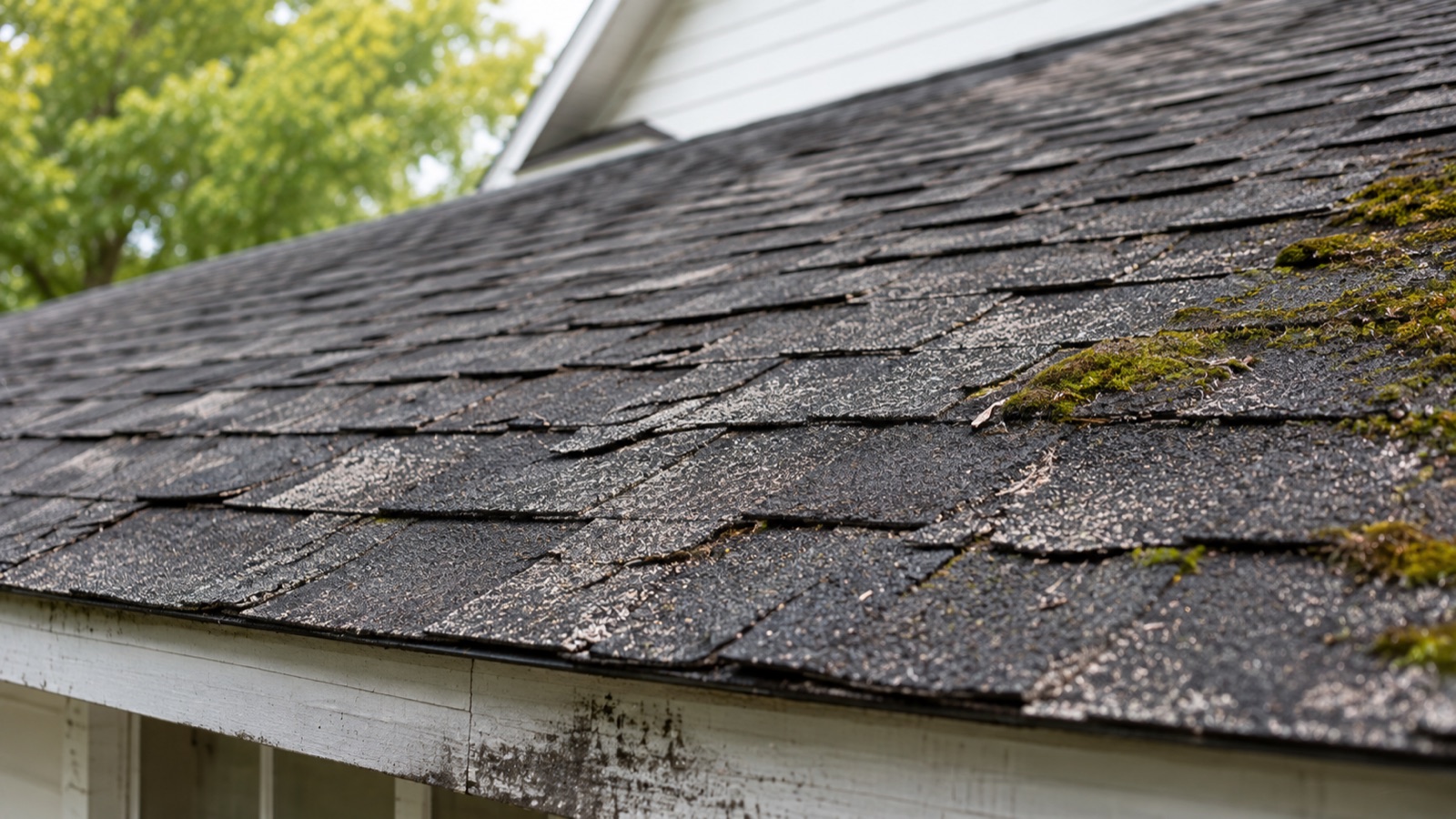
Cedar sheds water fine when it can also dry out fast. In a dry mountain or high-desert climate, wind and low humidity do that job for free. In Atlanta, the Piedmont, or anywhere within smelling distance of the coast, the air itself stays damp for days after a storm, and shaded north-facing roof planes barely dry between rains. That's exactly the environment moss, lichen, and algae want, and it's exactly the environment that shortens cedar's life if you ignore it. None of this means don't buy cedar. It means budget the maintenance in from day one instead of finding out about it from a moss-covered roof five years in.
Maintenance: what a Southeast cedar roof actually needs
This is the part cedar brochures gloss over, and it's the whole reason this article exists.
A cedar roof in our climate needs periodic cleaning — soft-washing to remove moss, algae, and lichen before they trap moisture against the wood — roughly every 2–4 years, tighter on shaded, north-facing, or heavily tree-covered roofs. Expect that cleaning to run somewhere in the same range as a standard roof cleaning, covered in our roof cleaning guide, though cedar demands a gentler touch than shingles — no aggressive pressure washing, ever, or you'll strip the surface fibers and accelerate wear.
On top of cleaning, cedar benefits from a water-repellent or preservative treatment every 3–5 years to keep it shedding water instead of absorbing it. Skip that step long enough in our humidity and you'll see cupping, splitting, and eventually soft, spongy shingles that need spot replacement — or a full re-roof well ahead of schedule. Keep overhanging branches trimmed back too; shade that never lets a roof plane dry is the single biggest accelerant we see.
The fire code question
Untreated cedar is combustible, and plenty of jurisdictions either restrict it or require a fire-retardant treatment for it to pass inspection — worth checking with your local building department before you fall in love with the look. Fire-retardant-treated (FRT) cedar can achieve a Class A rating, the same top tier as asphalt and metal, but two catches come with it: it costs more upfront, and the fire-retardant coating loses effectiveness over time, especially with the cleaning and re-treatment cycle cedar already needs. Budget re-treatment as a recurring cost, not a one-time upgrade, if fire rating matters where you live.
We see cedar do its best work in three spots: mountain cabins and lake houses in North Georgia and the western Carolinas, where the look fits the setting and homeowners are already signed up for seasonal upkeep; historic districts in places like Savannah or Charleston, where cedar is period-correct and sometimes required by preservation guidelines; and high-visibility custom homes where the roofline is doing real architectural work. On a standard suburban ranch in the Atlanta or Charlotte metro, we'd steer most homeowners toward a premium architectural shingle instead — you get 80% of the curb appeal for a third of the cost and a fraction of the upkeep.
My honest take
Cedar is a genuinely beautiful roofing material, and nothing else quite matches the texture and warmth of it in person. It's just not a low-maintenance choice down here, and anyone telling you otherwise is selling something. If you love the look, budget the cleaning and treatment cycle as a real annual line item — figure $400–$900 every couple of years for cleaning, plus periodic re-treatment — and go in with clear eyes. If the appeal is mostly the price tag and you were hoping cedar might come in cheap, it won't; a good architectural shingle from GAF or CertainTeed will get you most of the aesthetic and almost none of the hassle. Curious how cedar stacks up against metal too? Our metal vs. shingles comparison covers the other premium option worth cross-shopping.