 CostBeaver
Furnace Installation: What Actually Happens on Install Day
A straight furnace swap is a one-day job, usually 4 to 8 hours from the crew's arrival to a working heat cycle. Add a day if the install includes new PVC venting for a condensing furnace, duct repairs, or a new AC installed alongside it. Nearly every county in Georgia and the Carolinas requires a permit for a furnace swap — a bid with no permit line is worth questioning. And if your AC is also aging, this is the moment to price a heat pump next to the furnace-only quote, because our climate is exactly where one system can beat two.
The short version
- A like-for-like furnace swap takes 4–8 hours, one crew, one day. New venting, ductwork, or a simultaneous AC install adds roughly another day.
- Almost every county here — Cobb, Mecklenburg, Wake, Greenville, Richland — requires a permit for a furnace install. It's the installer's job to pull it, not yours.
- Warranty registration has to happen within 90 days of install, or most manufacturers cut the heat-exchanger warranty from 20 years down to 5. It takes ten minutes.
- If your AC is also getting old, price a heat pump alongside the furnace quote before the crew arrives — for full pricing detail see our furnace replacement cost breakdown.
The short version: timeline and what it costs
Installed pricing depends heavily on efficiency tier and fuel — we cover that in full in our furnace replacement cost guide. Here's the timeline side of the equation, which matters just as much when you're planning around it:
| Job scope | Time on-site | Notes |
|---|---|---|
| Straight furnace swap, same venting | 4–8 hours | One crew, one day, heat by evening |
| Furnace + new AC installed together | 1 to 1.5 days | One crew, matched blower, single mobilization |
| New condensing furnace, new PVC venting | 1 day, sometimes into a second | Extra penetrations and a condensate drain to route |
| Furnace swap with duct repairs | 1–2 days | Depends how much duct is being replaced or resealed |
None of this includes the sales visit or the permit application, which usually happen days before the crew shows up.
Before the crew shows up: permits and prep
Pretty much every jurisdiction across Georgia and the Carolinas — Cobb, Fulton, Mecklenburg, Wake, Greenville, Richland — requires a mechanical permit for a furnace installation, and a licensed contractor pulls it as a matter of course. If a bid doesn't mention a permit at all, ask why. Unpermitted HVAC work is a real problem at resale, and it can void your homeowner's insurance claim if something goes wrong later.
On your end, prep is short: clear a path to the attic, closet, or basement where the unit lives, move any vehicles that might block a driveway staging area, and secure pets somewhere they won't dart out an open door. If your old unit shares a flue with the water heater, mention that up front — it changes the venting plan and it's cheaper to know before the truck arrives than after.
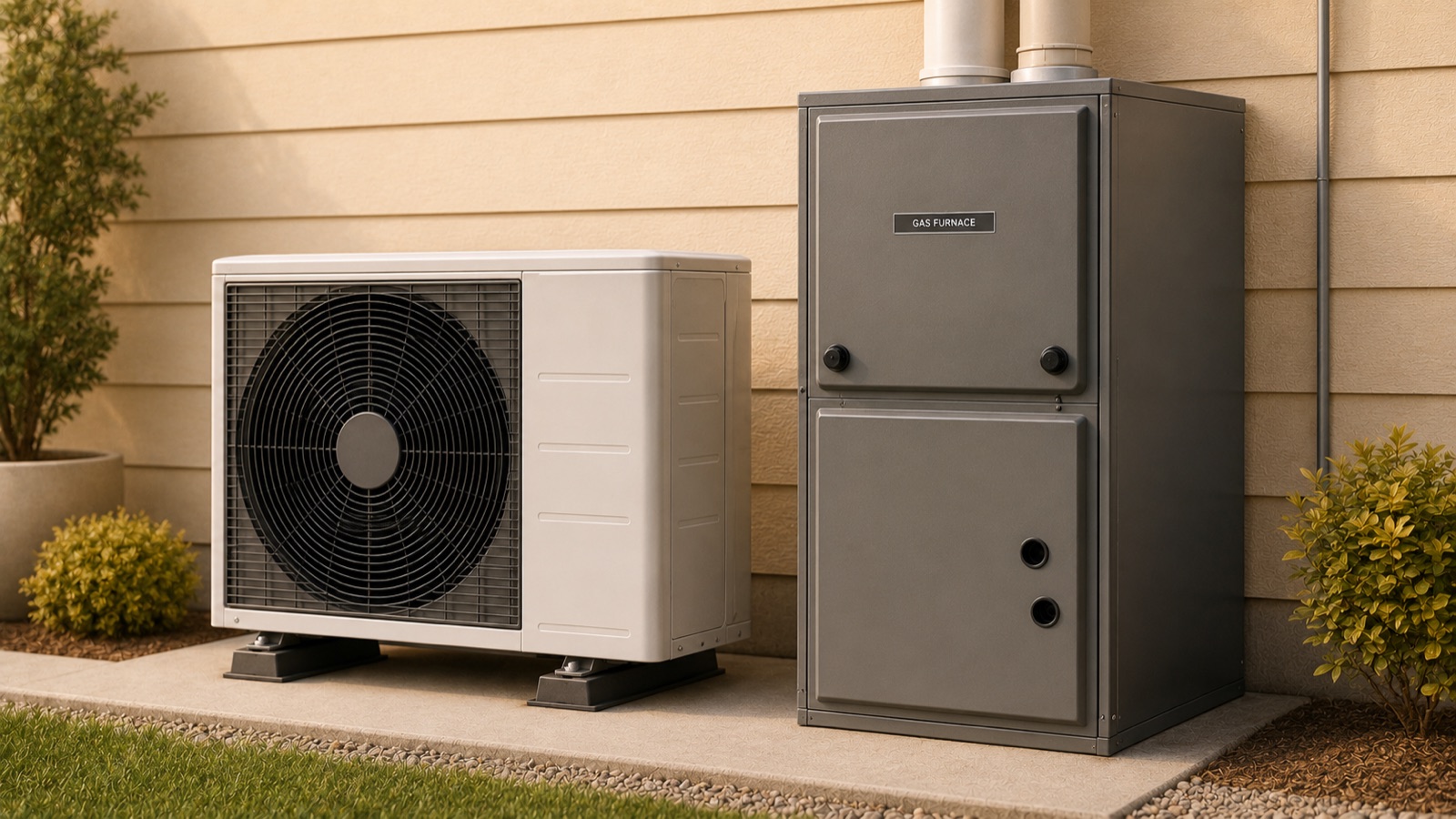
Newer subdivisions around Kennesaw, Matthews, and plenty of Carolina suburbs were built all-electric, with no gas main on the street. Running new service from Atlanta Gas Light or Piedmont Natural Gas can take weeks to schedule and add real cost that quietly erases years of fuel savings. If that's your situation, price a heat pump before you price a gas furnace install — our heat pump vs furnace comparison lays out the math.
Install day, hour by hour
A typical crew arrives around 8am. First hour: disconnect gas and power to the old unit, then it comes out — on the truck by mid-morning on most jobs. The new furnace goes in, gets connected to the existing ductwork, gas line, and venting, and the crew pressure-tests every gas connection before anything gets lit. That's not optional and any installer skipping it is one to avoid.
Once it's wired to the thermostat, they run a full commissioning cycle: checking gas pressure, airflow, temperature rise across the unit, and confirming the safety switches actually trip when they should. A good tech walks you through the new thermostat and answers questions before packing up. Old equipment goes on the truck for disposal, and by late afternoon you have heat again.
Add a duct repair, a venting change, or a same-day AC swap, and that timeline stretches into a second day — still one continuous job, just more hours on-site.
While the crew is already there: worth pricing a heat pump too
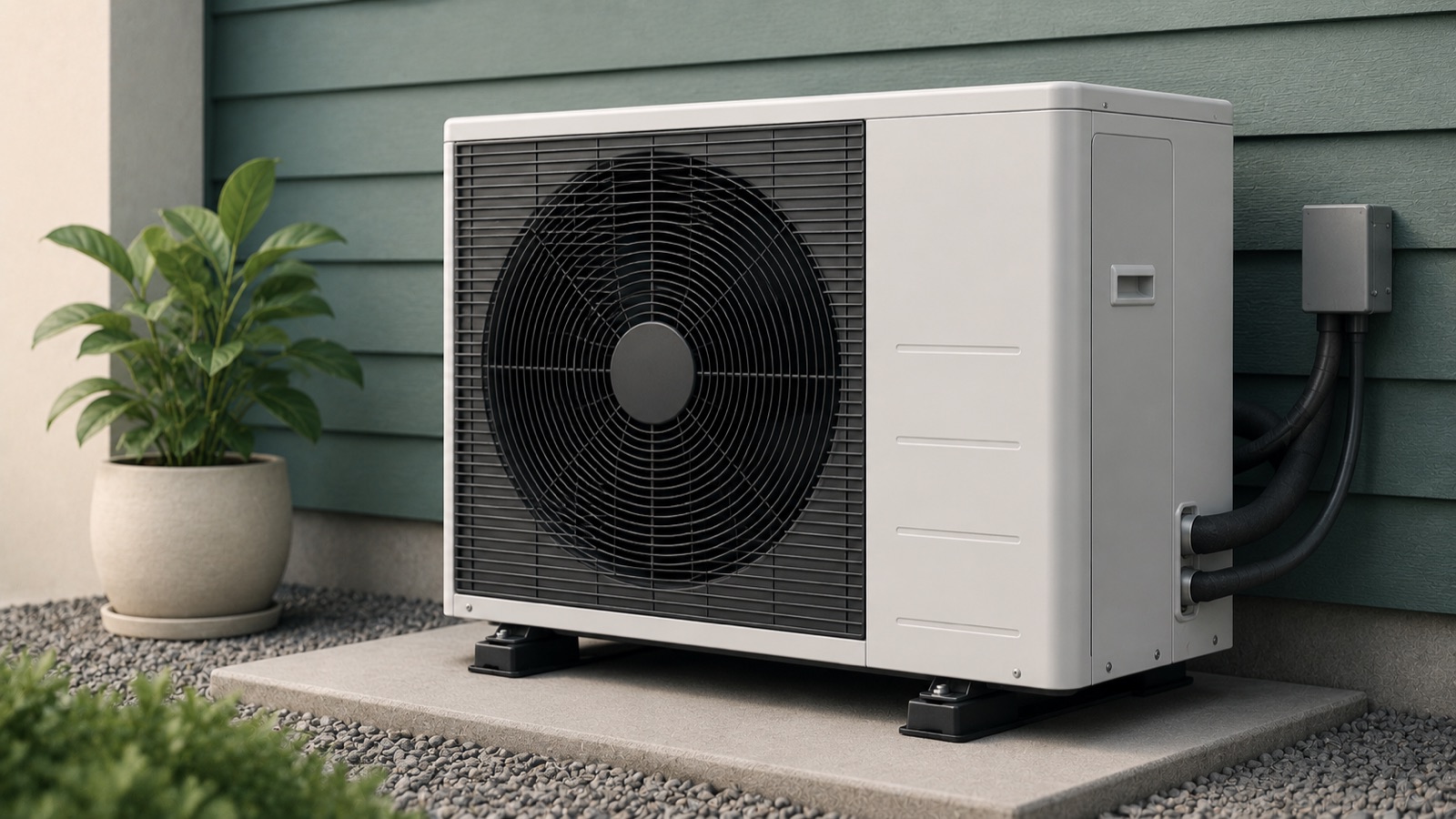
Here's the thing nobody selling you a furnace will bring up: if your AC is also getting old, the crew tearing out your furnace is already staged, already has the ductwork exposed, and already knows your house. That's the cheapest moment to ask for a heat pump quote alongside the furnace-only number. In a climate with a ten-week heating season and a five-month cooling season, one system doing both jobs frequently beats buying two separately — one install, one lifespan to track, no second gas bill. Read the full comparison before you sign anything, not after.
Most manufacturers — Carrier, Trane, Lennox, Goodman — cut the heat-exchanger warranty from 20 years down to 5 if the unit isn't registered within 90 days of install. It takes about ten minutes online with the serial number your installer leaves behind. Set a phone reminder before the crew's truck leaves the driveway, because this is the most expensive shortcut in the entire industry and it's entirely avoidable.