 CostBeaver
Propane Furnace vs. Natural Gas: What Rural Georgia and Carolina Homeowners Actually Pay
If your home sits outside a natural gas utility's service area — common through North Georgia's mountains, the western Carolinas, and rural stretches of the Lowcountry and Piedmont — propane is usually the only combustion heating option, delivered and stored in a tank on your property rather than piped in. A propane furnace installs for about the same $4,500–$9,000 as a natural gas furnace in 2026, but propane itself runs roughly 2–3 times the cost per BTU of piped natural gas, so the real difference shows up on the delivery bill, not the install invoice. For many of these off-grid homes, a modern cold-climate heat pump — no tank, no delivery truck, no fuel price swings — is worth pricing against propane before signing anything.
The short version
- No gas main means propane or electric — there's no natural gas option to compare against if the utility doesn't run a line to your road, which is common through the North Georgia and western Carolina mountains.
- Furnace installation cost is nearly identical between propane and natural gas, roughly $4,500–$9,000 in 2026. The real cost gap is the fuel itself — propane runs about 2–3x natural gas per BTU delivered.
- Tank logistics are a real decision: owned tanks (you buy from any supplier, shop for price) vs. leased tanks (the propane company owns it and often requires buying fuel only from them). Read that contract before signing.
- A modern heat pump increasingly beats propane on operating cost in our mild winters, with no tank, no delivery schedule, and no propane price swings to track. Worth a real side-by-side before committing to a new propane system.
Why this comparison even exists
In metro Atlanta or Charlotte, this article wouldn't need to exist — natural gas runs to almost every subdivision, and the choice is simple. Drive an hour out from either city, though, and the gas main stops. Head into the North Georgia mountains around Blue Ridge or Blairsville, into the western Carolina foothills near Hendersonville or Boone, or out into rural stretches of the Lowcountry and Midlands, and you'll find plenty of solid, well-built homes with no gas line anywhere near the property.
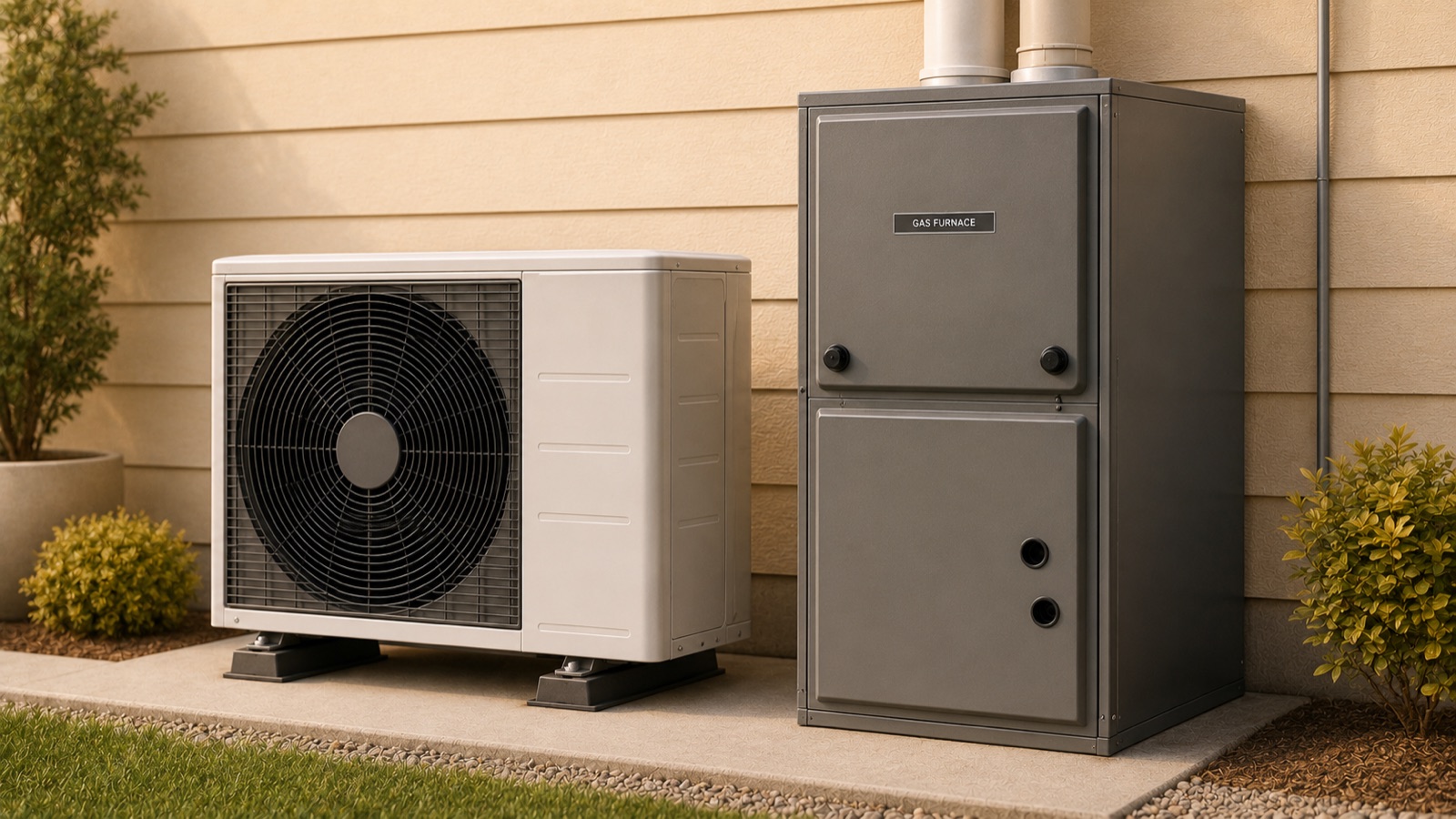
For those homes, the choice isn't propane versus natural gas. It's propane versus electric resistance heat versus a heat pump. Natural gas simply isn't on the table unless a developer happened to run a private line, which does occasionally happen in newer rural subdivisions but isn't something to count on.
Installed cost: propane furnace vs. natural gas furnace in 2026
The furnace hardware and installation labor barely differ between fuels — the burner and controls are built for the specific gas type, but the rest of the job is the same:
| System | Installed cost (2026) | Notes |
|---|---|---|
| Natural gas furnace | $4,000–$8,500 | Requires an existing gas main to the property |
| Propane furnace | $4,500–$9,000 | Same install labor; needs a tank, regulator, and buried or above-ground supply line |
| Propane tank (leased) | Often $0–$150/yr rental | Company owns tank; usually locks you into buying fuel from them |
| Propane tank (owned, 250–500 gal) | $1,200–$3,000 installed | You shop fuel suppliers freely; bigger upfront cost |
So the equipment and labor line is close to a wash. The number that actually separates these two paths shows up every winter on the fuel bill, not on the install invoice.
The real gap: what the fuel itself costs to run
Natural gas is priced and delivered through a utility pipeline, which keeps it cheap and remarkably stable. Propane has to be trucked to your property and stored in a tank, and that logistics chain shows up directly in the price — propane typically runs 2 to 3 times more per BTU than piped natural gas, and unlike a utility bill, propane prices swing with the season and with regional supply, sometimes sharply. A cold snap that spikes regional demand can mean paying noticeably more for the same fill-up you got in October.
For a mid-size Southeast home, that difference typically means a natural gas furnace running $600–$1,000 a winter in fuel, against $1,200–$2,200 for the same heating load on propane. Insulation, home size, and how mild the winter runs all move those numbers — see our gas furnace guide for the fuel-cost math in more detail.
Fannin, Union, and Rabun counties in North Georgia; Watauga, Ashe, and Avery counties in the North Carolina High Country; big stretches of rural Oconee and Newberry counties in South Carolina — in all of these, a propane tank in the yard is just how the house gets heated, and has been for decades. Local propane suppliers know the territory well: Blossman Gas and AmeriGas both run routes through most of these areas, and a lot of homeowners still prefer a smaller local supplier who answers the phone directly during a January cold snap. Ask neighbors who they use before signing a lease agreement with whoever knocks on the door first.
Tank logistics: the part nobody explains upfront
This is where propane gets genuinely more complicated than flipping on a gas furnace connected to a utility main, and it's worth understanding before a system goes in.
Leased tanks are common — the propane company installs and owns the tank, sometimes for free or a small annual fee, and in exchange you typically agree to buy fuel exclusively from them. That can be fine if their pricing stays competitive, but you lose the ability to shop around when prices spike, and switching suppliers later can mean paying to have their tank removed.
Owned tanks cost more upfront — a buried 500-gallon tank installed runs roughly $1,500–$3,000 — but they let you call any propane supplier in the area and get competitive bids each fill-up, which matters more than it sounds like over a decade of winters.
Either way, plan the delivery schedule. Most homes on a furnace need 2–4 fills a year depending on tank size and usage, and running out mid-winter isn't a minor inconvenience — it means a cold house and a rushed emergency delivery, often at a worse price. Many suppliers offer automatic delivery based on estimated usage, which is worth signing up for if you don't want to babysit a gauge.
When you're pricing a propane furnace installation, ask the installer or your prospective fuel supplier for their current per-gallon rate, and get it in writing if you can — some suppliers quote a low "new customer" rate for the first fill and raise it after you're locked into their tank. Compare at least two local suppliers before committing, the same way you'd compare furnace installers themselves.
The heat pump alternative, seriously considered
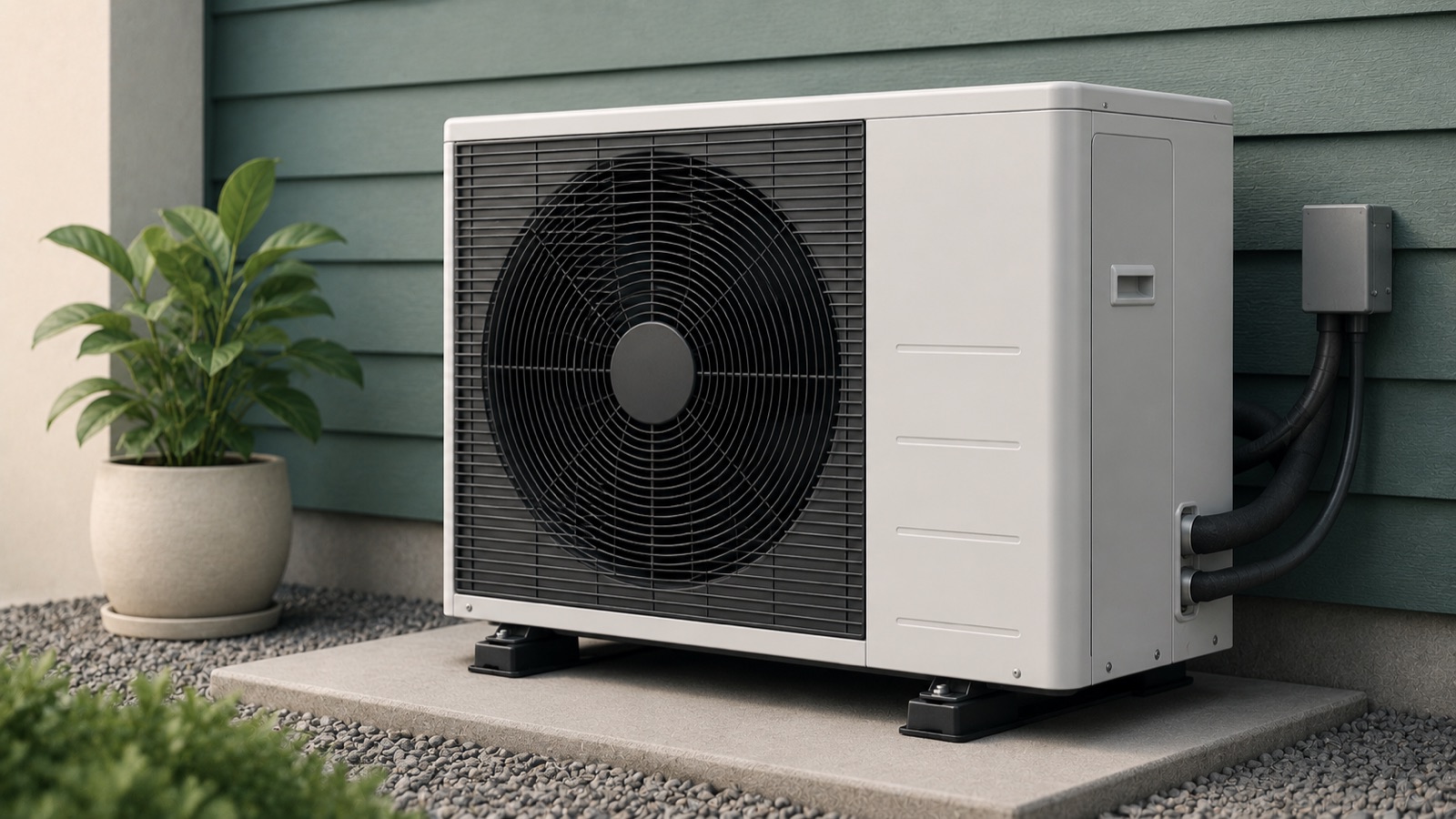
Here's the honest pitch for the option a lot of propane customers never get shown: a modern heat pump. Georgia and the Carolinas rarely see the kind of sustained sub-freezing cold that used to make heat pumps a bad match for winter heating, and today's cold-climate models hold their efficiency well into the 20s and even the teens. No tank sitting in the yard, no delivery schedule, no propane price swings to track, and central air conditioning comes built into the same outdoor unit instead of being a separate system.
The trade-off is upfront cost and backup heat strategy. A heat pump sized for a rural mountain home runs roughly $6,000–$13,000 installed, and in the coldest stretches of a North Georgia or High Country winter it may need backup electric-resistance strip heat to keep up, which briefly gets pricier to run than the heat pump alone. For most homes at Southeast elevations, though, that backup kicks in rarely enough that it doesn't change the yearly math much. Our heat pump vs. furnace guide and furnace replacement cost guide both dig into the numbers further, and if electric resistance heat is what you're actually comparing against instead of gas or propane, our electric furnace guide covers that trade-off too.
So which one should you actually pick
If you already own a propane furnace that's running fine, there's no rush to rip it out — propane systems are reliable and well understood by every HVAC tech in the region. If you're replacing a dead system or building new on a lot with no gas main, that's the moment to actually run the comparison instead of defaulting to propane because that's what the last owner had. Get a propane furnace quote, get a heat pump quote, and compare them on a 10-year total cost basis — install price plus realistic fuel or electricity cost — not just the number on the install invoice. For a lot of these mountain and rural properties, the heat pump wins that math more often than homeowners expect.