 CostBeaver
What Hail Damage Actually Looks Like on a Roof (and What It Doesn't)
 ROOFING
On asphalt shingles, hail damage looks like dark circular spots where the granules got knocked away, exposing the black asphalt underneath — often with a bruise you can feel, a soft spot like a bruised apple, when you press it. Fresh hits look shiny black; they weather to dull gray. The catch: most hail bruises are invisible from the ground. Check your gutters, downspouts, and AC fins for dents first — if soft metal took hits, your shingles did too, and it's time for an inspection ($150–$300, often free after a documented storm).
The short version
- A hail bruise is a dark circle of missing granules with exposed asphalt, often soft to the touch underneath — scattered randomly, not in neat lines.
- You almost never see them from the driveway. The tell-tale ground evidence is dented gutters, downspouts, vent caps, and AC fins — soft metal records the storm.
- A professional inspection runs $150–$300, and most established roofers inspect free after a documented hail event. Your insurance clock is real: many policies give you 12 months to file, some less.
- Black streaks running down the roof are algae, not hail. That's a $400–$700 soft-wash cleaning, and filing a claim for it is how homeowners end up with a denial on their record.
What a hail bruise actually looks like
Picture a shingle as asphalt covered in coarse sand. Those granules are the armor — they take the UV so the asphalt doesn't. When a hailstone hits, it blasts the granules loose in a rough circle and leaves the asphalt naked underneath.
So here's what you're hunting for: a dark spot, roughly circular, anywhere from dime-sized to golf-ball-sized, where the surface texture just stops. Fresh hits gleam — exposed asphalt is shiny black, and after a storm a hard-hit roof almost sparkles with them. Give it a few months of sun and they fade to dull gray. Press one with your thumb and you'll often feel it give slightly. Roofers call it a bruise for a reason; it feels exactly like the soft spot on a dropped apple, because the fiberglass mat underneath has fractured.
Distribution matters as much as the mark. Hail falls randomly, so real damage is scattered — different slopes, different heights, no pattern. Damage in tidy rows or only along edges is wear, foot traffic, or a bad install. An adjuster reads that pattern before anything else.
The evidence you can see without a ladder
Now the practical part, because I don't want you on your roof. The same storm that bruised your shingles also hit everything else you own, and the soft metal keeps better records.
- Gutters and downspouts. Dings and dimples in aluminum, especially on the storm-facing side of the house.
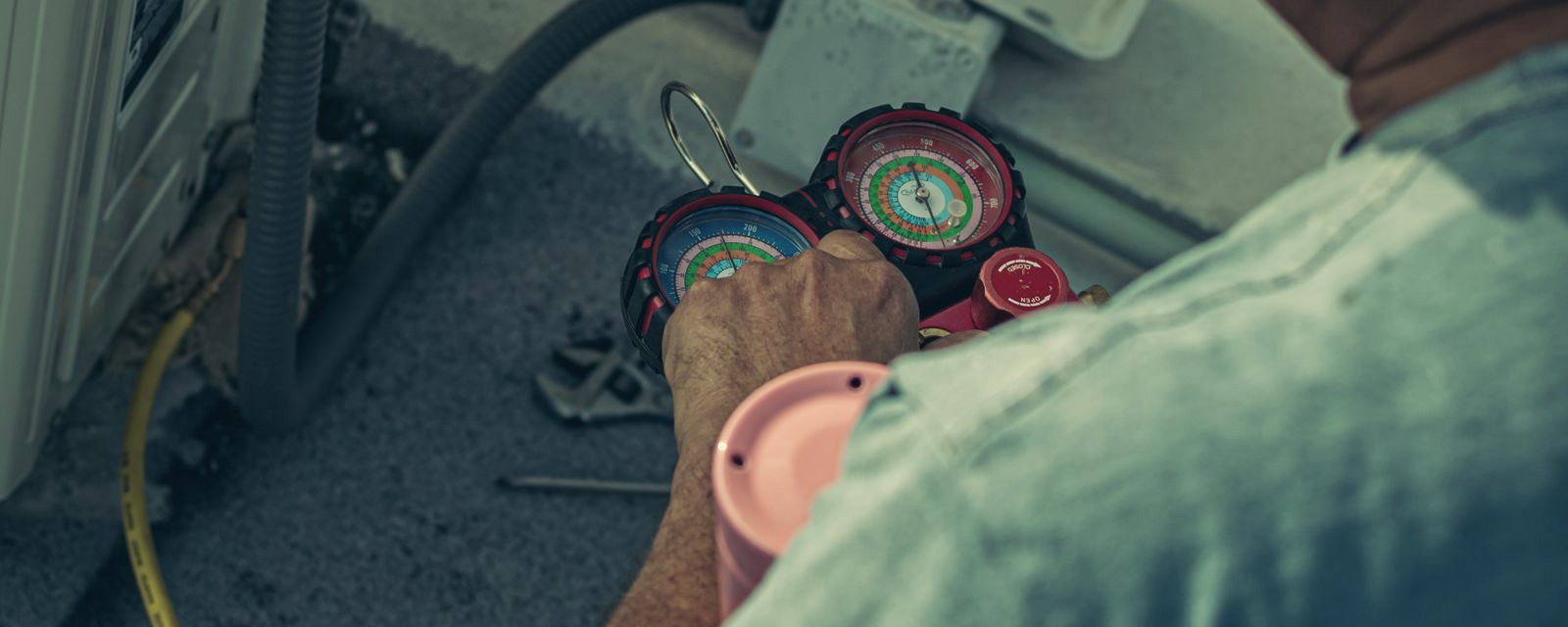
- The AC condenser. Look at the thin fins on the outdoor unit. Hail flattens them in patches you can spot from two feet away.
- Vent caps and flashing. Dented roof vents visible from the yard are a near-certain sign the shingles around them took hits.
- Window screens, mailbox, grill lid, cars. Torn screens and dimpled lids all testify.
The rule of thumb inspectors use: if the soft metal got hit, the roof got hit. Metal shows it, shingles hide it. That asymmetry is exactly why so much hail damage goes unclaimed until it becomes a leak — at which point it's a much more expensive conversation.
Most homeowner policies set a deadline for storm claims — commonly 12 months from the date of loss, and some policies now run tighter. Miss it and a legitimate claim dies of old age. Spring is hail season in our corner of the country; the corridor from metro Atlanta up through the Upstate and Charlotte catches storms every March through May, and insurers know exactly which dates and ZIP codes got hit. Date-stamped photos of dented gutters and an inspection report within a few weeks of the storm make a claim clean. Waiting until autumn makes it an argument.
What an inspection costs, and who to let on your roof
A professional roof inspection runs $150–$300 in 2026. After a documented hail event, most established local roofers will inspect free, since they hope to land the repair. Both are legitimate; the free one just isn't neutral.
Here's my opinion, and it comes from watching how post-storm season actually plays out: when a hail claim is on the table, pay for an independent inspection instead of relying on whoever knocked on your door first. Every hailstorm ships a wave of out-of-town crews through the affected neighborhoods, and their pitch always lands on signing paperwork today. Some are fine. Some vanish with deposits. A $200 inspection from an established company with a local address buys you a documented report, photos, and a second opinion no door-knocker can pressure you out of — cheap insurance on a claim that might be worth $10,000–$16,000, which is what a full architectural-shingle replacement runs at $450–$700 per square.
And read before you sign anything called an assignment of benefits. That document hands your claim to the contractor. Whether your policy covers the roof at all, and how the deductible math works, is laid out in our guide to when insurance covers roof replacement.
Black streaks are not hail damage
Every spring, adjusters get claims for a roof problem no hailstone ever caused. Here's how to tell damage from dirt.
| What you see | What it is | What it costs |
|---|---|---|
| Dark circles, random, soft underneath | Hail bruising — real damage | Insurance claim; replacement $10,000–$16,000 |
| Black streaks running down the slope | Gloeocapsa magma algae, feeding on limestone in the shingles | Soft-wash cleaning, $400–$700 |
| Granules bald along edges and valleys | Age and water wear, not impact | Repair or budget for replacement |
| Shiny dots after a storm, gutters full of granules | Fresh hail granule loss | Inspection now, claim if confirmed |
Those long black streaks show up on practically every roof from Augusta to Wilmington because our humidity feeds the algae all summer. It's cosmetic. A soft-wash crew kills it for $400–$700, it is absolutely not an insurance claim, and filing one anyway puts a denial in your claims history that follows the house. Streaks plus moss in the shady spots means the roof needs a cleaning and some maintenance — the full seasonal rundown is in our Southeast roof maintenance checklist.
One more ground-level check after any storm with hail in the forecast: look in the gutters and at the bottom of the downspouts. A hail-hit roof sheds granules by the cupful, and they pile up like coarse black sand at the downspout splash blocks. Some granule loss is normal aging, especially the first year after a new roof. A sudden drift of them the week after a storm is not. Photograph it with your phone, date stamp and all — adjusters take gutter-granule photos seriously.
What happens if you just... don't
Fair question, because a bruised roof usually doesn't leak right away. That's what makes hail sneaky.
Each bruise is a spot where the armor is gone and the fractured mat flexes with every temperature swing. Southern sun does the rest. The exposed asphalt cooks, cracks spread from the fracture, and a roof that had 12 good years left quietly becomes a roof with 5. Roofers around here will tell you a hard hailstorm ages a shingle roof by 5–10 years, and none of that aging is visible from your driveway while it happens.
The leak, when it comes, arrives two or three years after the storm — long after the claim window closed. Now the same damage that insurance would have covered is a $10,000–$16,000 out-of-pocket project. Thirty minutes walking your yard after a storm, and maybe $200 for an honest inspection, is the whole cost of avoiding that ending. Do the walk.